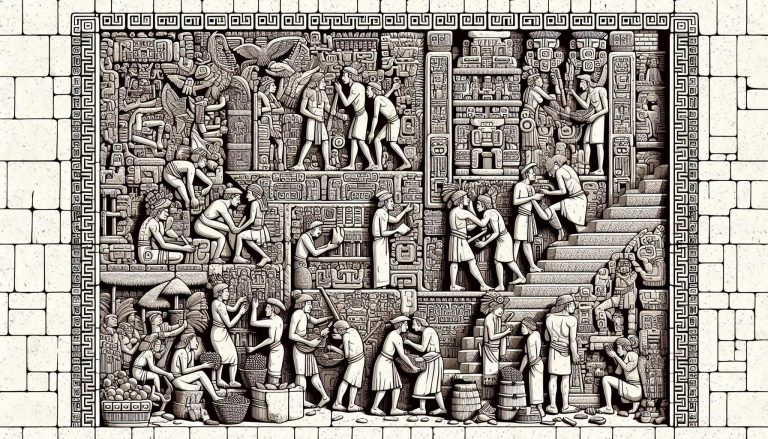
When we think of ancient civilizations, the Maya often stand out for their remarkable achievements in astronomy, mathematics, and architecture. Their sophisticated understanding of the cosmos and intricate calendar systems still fascinate scholars today. But what truly sets the Maya apart is how their culture and innovations influenced the world around them. I find it … Read more
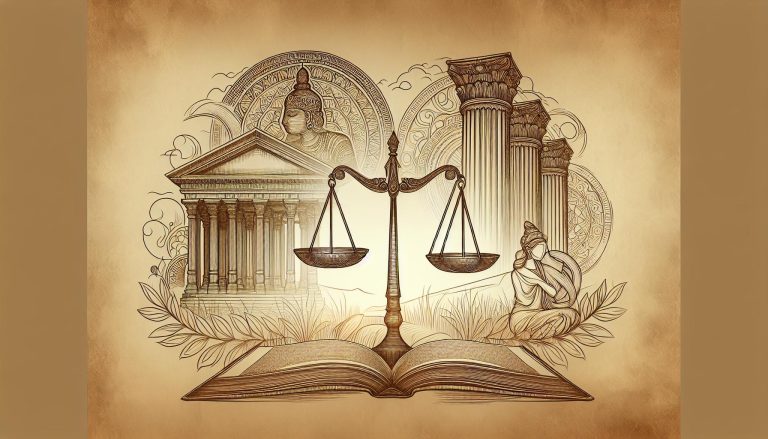
When we talk about justice, we often think of laws, courts, and punishment. But there’s a deeper, more philosophical layer to justice that many overlook—dharma. Rooted in ancient Eastern philosophies, dharma represents the moral order of the universe and our duty to uphold it. It’s not just about following rules; it’s about living in harmony … Read more
Ever wondered if reality is just an illusion? The concept of “maya” from ancient Indian philosophy suggests just that. Maya, often translated as “illusion” or “magic,” challenges our understanding of what’s real by proposing that the world we perceive is a deceptive facade. Exploring maya opens up fascinating questions about the nature of consciousness. Are … Read more
When I first delved into yoga, I quickly discovered it was more than just physical postures; it was a way of life. One of the core principles that resonated with me was ahimsa, the practice of non-violence. This ancient concept isn’t just about refraining from physical harm but extends to thoughts and words, promoting a … Read more
Ahimsa, the principle of non-violence, isn’t just a personal moral code; it’s a powerful tool for community building. When we embrace ahimsa, we commit to actions that foster peace and understanding, creating a foundation for stronger, more cohesive communities. I’ve seen firsthand how communities thrive when individuals practice compassion and empathy. By prioritizing non-violence in … Read more
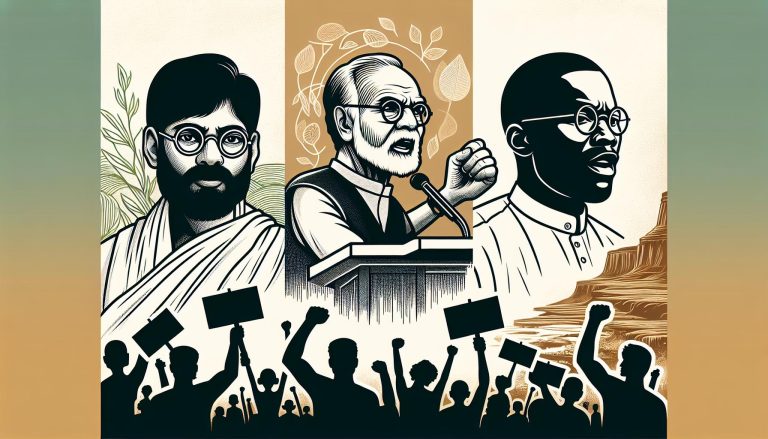
Ahimsa, the principle of non-violence, has been a cornerstone of many social movements around the world. Rooted in ancient Indian philosophy, it gained global recognition through the efforts of leaders like Mahatma Gandhi and Martin Luther King Jr. These figures harnessed the power of ahimsa to challenge injustice and inspire change without resorting to violence. … Read more
Nakula was the fourth Pandava, one of the five heroic sons of King Pandu and Queen Madri. As detailed in this overview of the Pandavas, each brother contributed uniquely to their shared mission, and Nakula stood out for his grace, skill, and quiet strength. In Hindu mythology, the Ashwini twins are associated with youth, vitality, … Read more
When I first delved into the concept of Maya, I was struck by its profound implications on our understanding of reality and human experience. Originating from ancient Indian philosophy, Maya refers to the illusion or appearance of the phenomenal world. It’s fascinating to see how this concept challenges our perception of what’s real and what’s … Read more
Have you ever wondered about the true nature of the self and the illusions that cloud our perception? In many spiritual traditions, particularly in Hindu philosophy, the concept of “maya” plays a crucial role in understanding our existence. Maya is often described as the illusion or the veil that obscures the true nature of reality … Read more
सरण्यु Saranyu is the daughter of Tvashta – The Divine Artificer, the divine architect of the gods, who is associated with creating magnificent celestial structures, weapons, and even deities themselves. As the daughter of Tvashta, Saranyu embodies aspects of beauty, creativity, and divine craftsmanship. She was married to Vivasvant – The Sun God, the sun … Read more
We use cookies to improve your experience and to understand how the encyclopedia is used. You can accept all cookies, or reject non-essential ones. See our Privacy Policy for details.