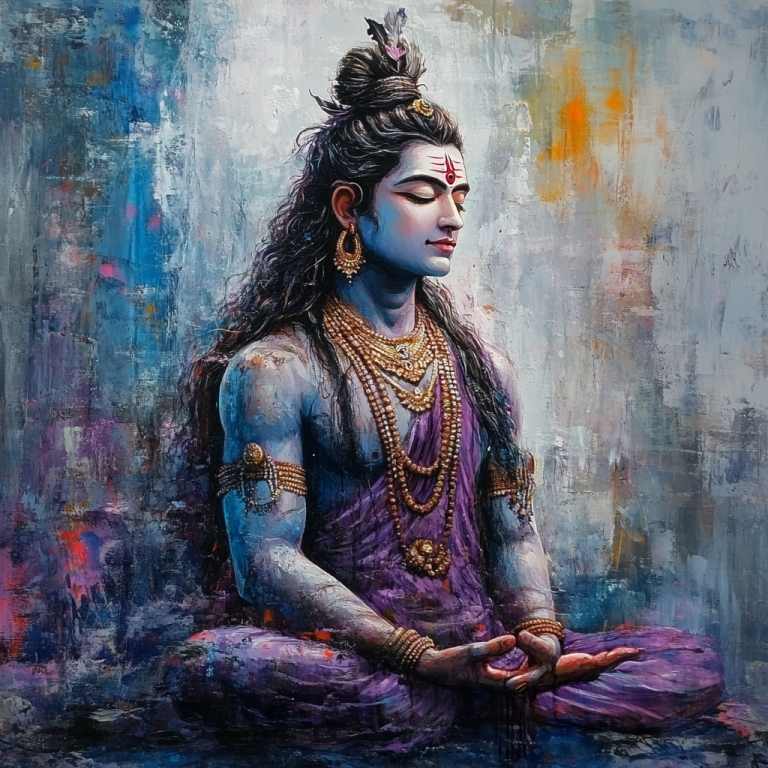
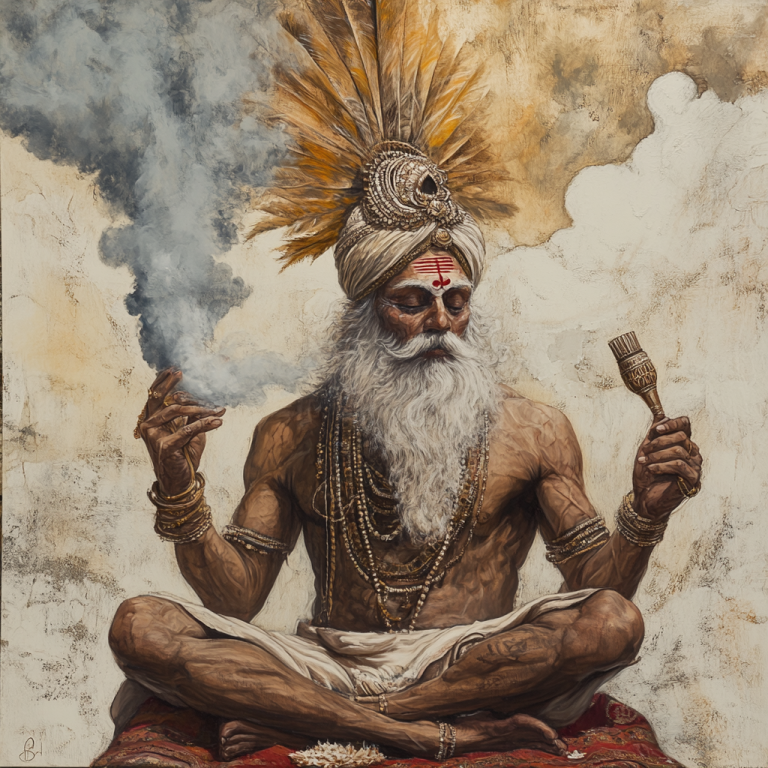
The Wrath of Mahadeva and the Restoration of Cosmic Order Based on [Maha:10.18] Once the Krita-Yuga, the golden age of truth and virtue, had ended, the celestials resolved to perform a grand sacrifice (Yagna) to replenish and enhance their divine powers. The rituals were meticulously prepared according to the instructions laid out in the sacred … Read more
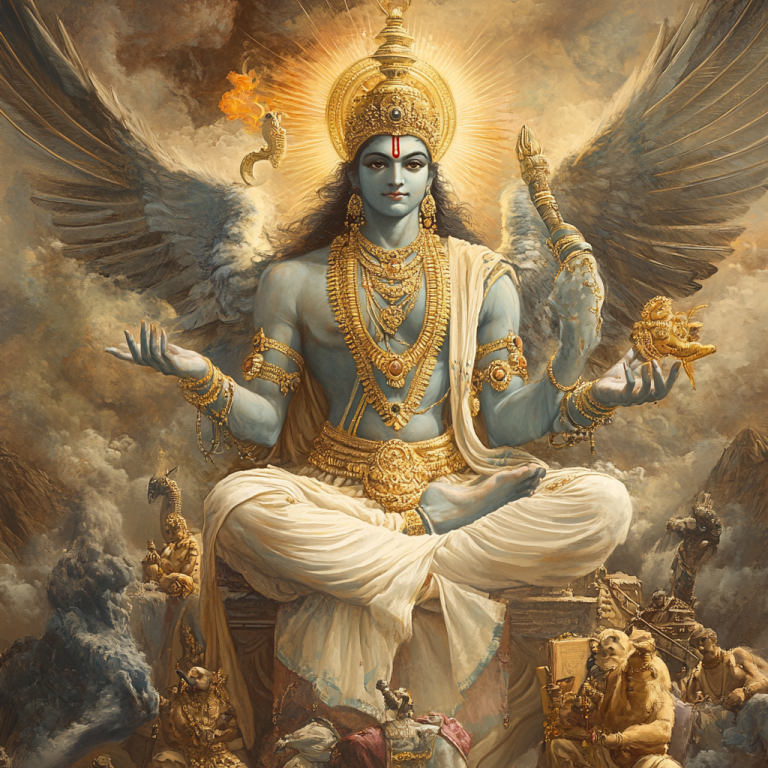
The Ten Incarnations of Vishnu: A Journey Through Cosmic Cycles The Puranas narrate that Lord Vishnu takes ten primary avatars in every Maha-Yuga (great cycle) to restore cosmic balance. The Puranas narrate that Lord Vishnu takes ten primary avatars in every Maha-Yuga (great cycle) to restore cosmic balance. These events are extensively chronicled in ancient … Read more
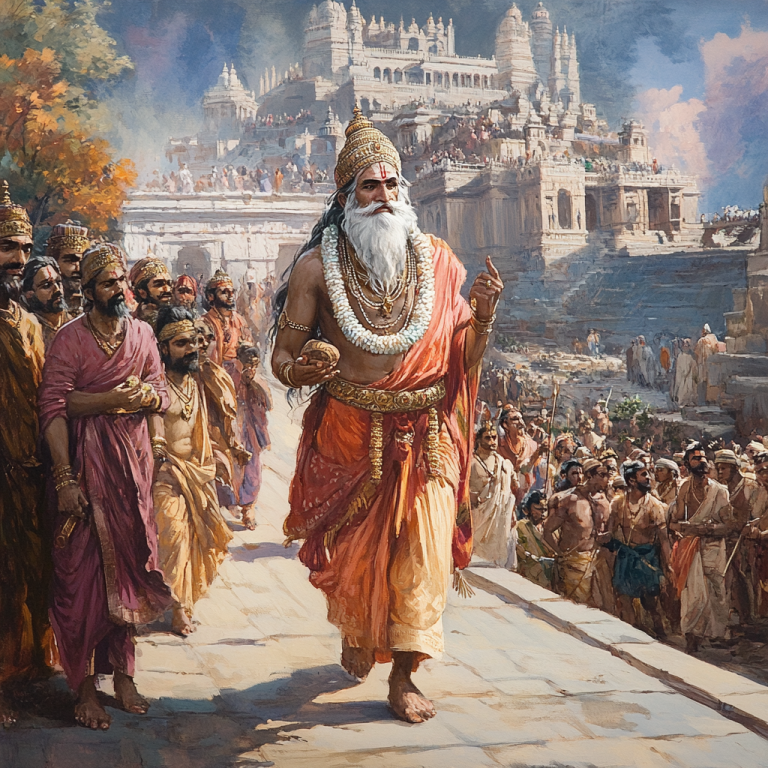
Rama and Lakshmana’s Journey with Vishwamitra – The King Who Became a Great Sage This chapter, derived from [Rama:1.18-1.21], not only highlights the formative experiences of Rama and Lakshmana but also integrates elements from broader Indian mythology, drawing connections to divine weapons, powerful sages, and the ultimate purpose of the princes’ birth. The Childhood and … Read more
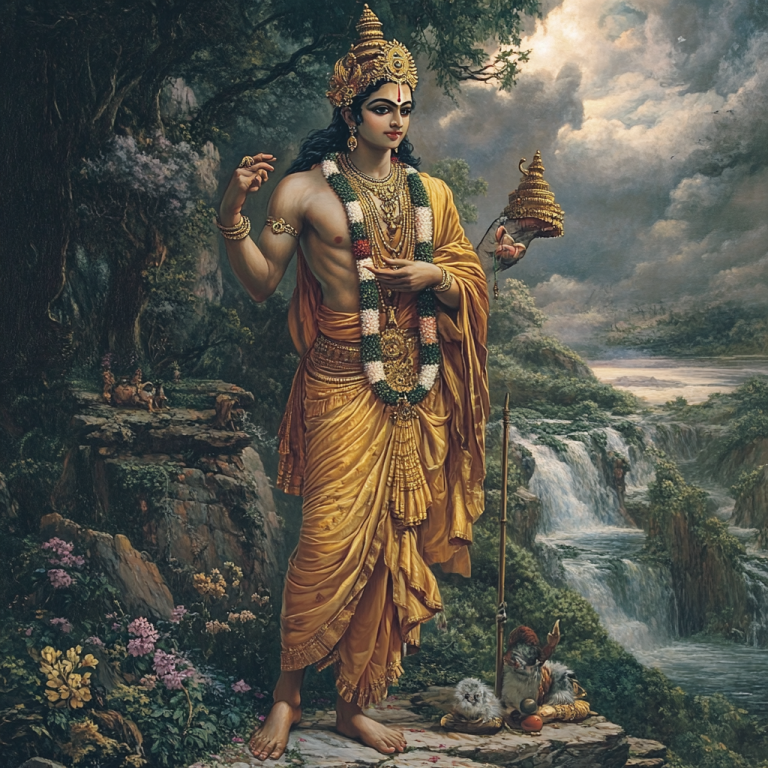
The Tale of Prince Sudarsana and the Grace of Devi This story is recounted in [Devi:3.14.1-3.25.45], weaving together devotion, valor, and divine intervention to uphold dharma. The Kingdom of Kosala There once lived a righteous and able king, Dhruvasanti, son of Pushpa, who ruled over the kingdom of Kosala, with Ayodhya as his capital. Belonging … Read more
The Story of Uddalaka – Grandfather of Ashtavakra, Kahoda, and Ashtavakra – Famous Boy Scholar This tale is found in the Mahabharata – The Great Epic [Maha:1.16-35] and revolves around the learned sage Uddalaka, his daughter Sujata, her husband Kahoda, and their extraordinary son, Ashtavakra. Uddalaka and His Disciple Kahoda Long ago, there lived a … Read more
The Birth of Shuka: A Tale of Divine Will and Destiny This story is detailed in Devi Bhagavata [Devi:1.10.1-1.14.1], highlighting the miraculous birth of Shuka, the illustrious son of Vyasa, and the interplay of divine intervention and human fallibility. Vyasa’s Penance and Boon According to the advice of Narada, Vyasa retired to Mt. Meru, the … Read more
The Trinity (Trimurti) is the group of the most powerful and revered gods in Hinduism, representing the three primary aspects of the universe: creation, preservation, and destruction. These deities are considered different manifestations of the ultimate truth, Brahman – The Supreme Truth, the supreme, unchanging reality that pervades all things, both animate and inanimate. Brahman … Read more
उतथ्य Utathya – The Sage of Wisdom Utathya, one of the three illustrious sons of the great sage Angirasa – Father of Brihaspati, is a significant figure in Hindu mythology. His brothers, Samvarthana and Brihaspati – The Guru of the Devas, are equally renowned, with Brihaspati becoming the preceptor of the gods (Devas) and a … Read more
आदित्य The Adityas – Sons of Aditi and Kashyapa – Father of the Devas and Asuras The Adityas, prominent deities in Hindu mythology, are the celestial sons of Aditi, the mother of the gods, and Kashyapa, a revered sage. They represent cosmic principles, uphold dharma, and play vital roles in the maintenance of universal order. … Read more
ब्रह्मां The Ultimate Goal in Hinduism: Realization of Brahman The fundamental goal of a Hindu is the realization of Brahman, the ultimate and all-encompassing truth that forms the foundation of existence. This realization signifies liberation (moksha) from the cycles of birth and death (samsara) and unity with the infinite. Brahman is described as both immanent … Read more
We use cookies to improve your experience and to understand how the encyclopedia is used. You can accept all cookies, or reject non-essential ones. See our Privacy Policy for details.