

Festivals dedicated to Shiva and his consorts, like Mahashivaratri and Navratri, draw devotees from around the world. These celebrations offer a glimpse into the profound spiritual and cultural significance that Shiva and his divine partners hold. Join me as we explore the fascinating tales and vibrant festivals that bring these divine figures to life.
Parvati: The Divine Mother
Parvati, revered as the wife of Lord Shiva, holds an esteemed position in Hinduism. She embodies the divine feminine energy, known for her compassionate nature.
Mythological Background
Parvati was born to King Himavan and Queen Mainavati in the Himalayas. She showed unwavering dedication to Lord Shiva from a young age, engaging in intense penance and meditation. Living an ascetic life to gain Shiva’s favor, her devotion won his heart. They married in a celestial ceremony, creating a divine union celebrated in numerous myths.
Significance in Hinduism
Parvati epitomizes motherhood, strength, and devotion. Often depicted as a mature, beautiful woman, she symbolizes the harmonious interplay of opposites. Her transformative power represents essential aspects of the universe, making her a vital figure in Hinduism.
- Teej: Celebrates Parvati’s union with Shiva.
- Navratri: Honors her forms as Durga and Kali.
- Karva Chauth: Married women fast for their husband’s longevity, invoking Parvati’s blessings.
Durga: The Warrior Goddess
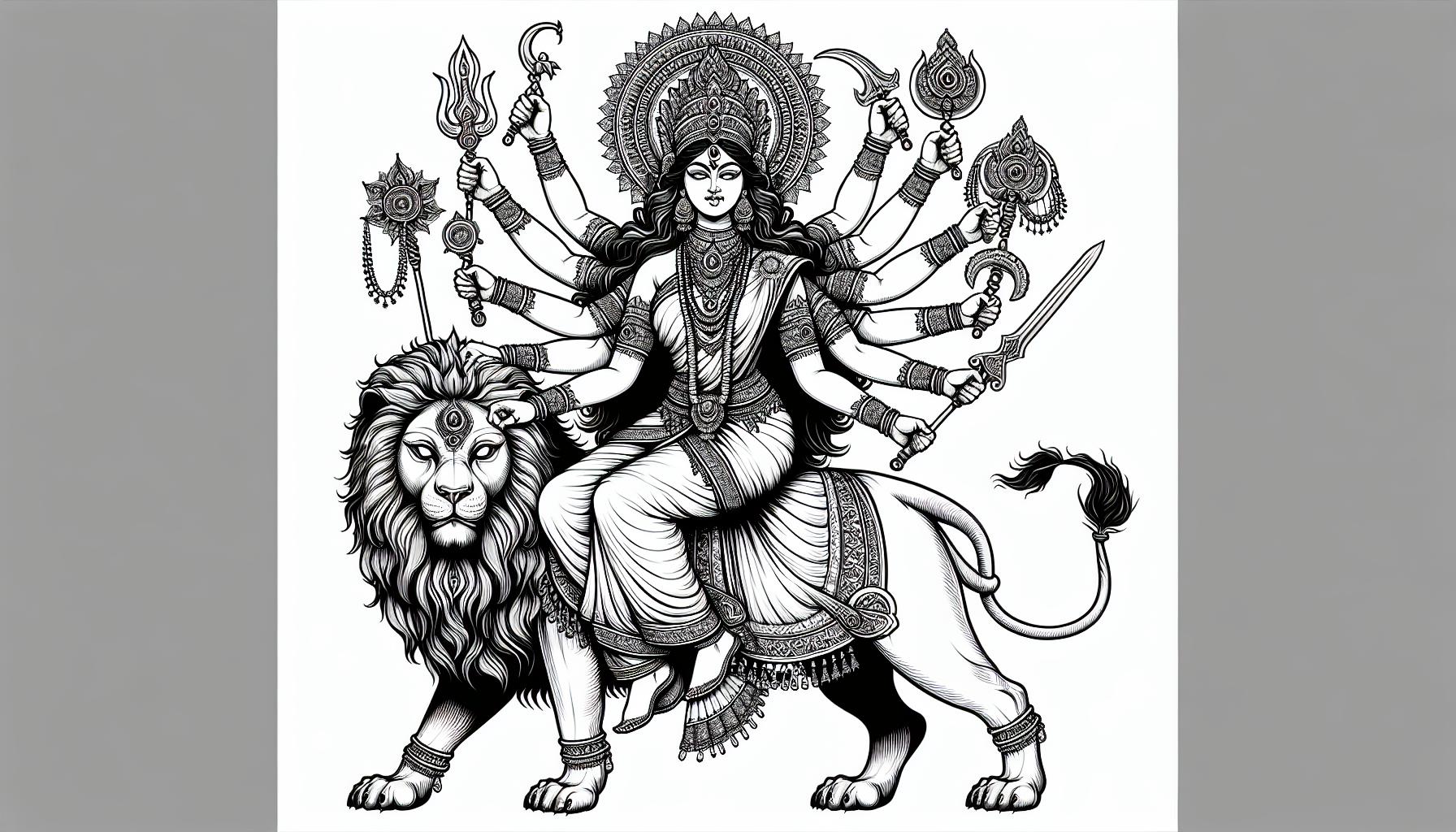
Durga stands as a powerful warrior goddess in Hinduism, revered for her bravery and strength. She embodies the divine feminine energy, Shakti, often depicted riding a lion or tiger, with multiple arms holding various weapons.
Mythological Background
Durga emerged from the collective energy of gods like Brahma – The Creator, Vishnu – The Protector, and Shiva to defeat Mahishasura – Buffalo Demon, the buffalo demon. Gifted with invincibility after a boon from Brahma, Mahishasura terrorized gods and humans. Durga, fully grown and beautiful at birth, rode a lion and fought Mahishasura for nine nights, ultimately killing him. This event is celebrated during the Navratri Festival.
Significance in Hinduism
Durga symbolizes feminine power, protection, and motherhood. She represents the divine feminine energy, Shakti, responsible for creation, maintenance, and destruction. Durga’s imagery and stories highlight the importance of feminine strength in the cosmic balance of Hindu belief.
Popular Durga Festivals
Durga’s legends are celebrated in various festivals. Navratri, a nine-night festival, commemorates her battle and victory over Mahishasura. During this time, devotees engage in prayers, dances, and rituals to honor her strength. Durga Puja, especially prominent in West Bengal, involves elaborate worship, processions, and cultural performances, celebrating her as the destroyer of evil and protector of humanity.
Kali: The Fierce Protector
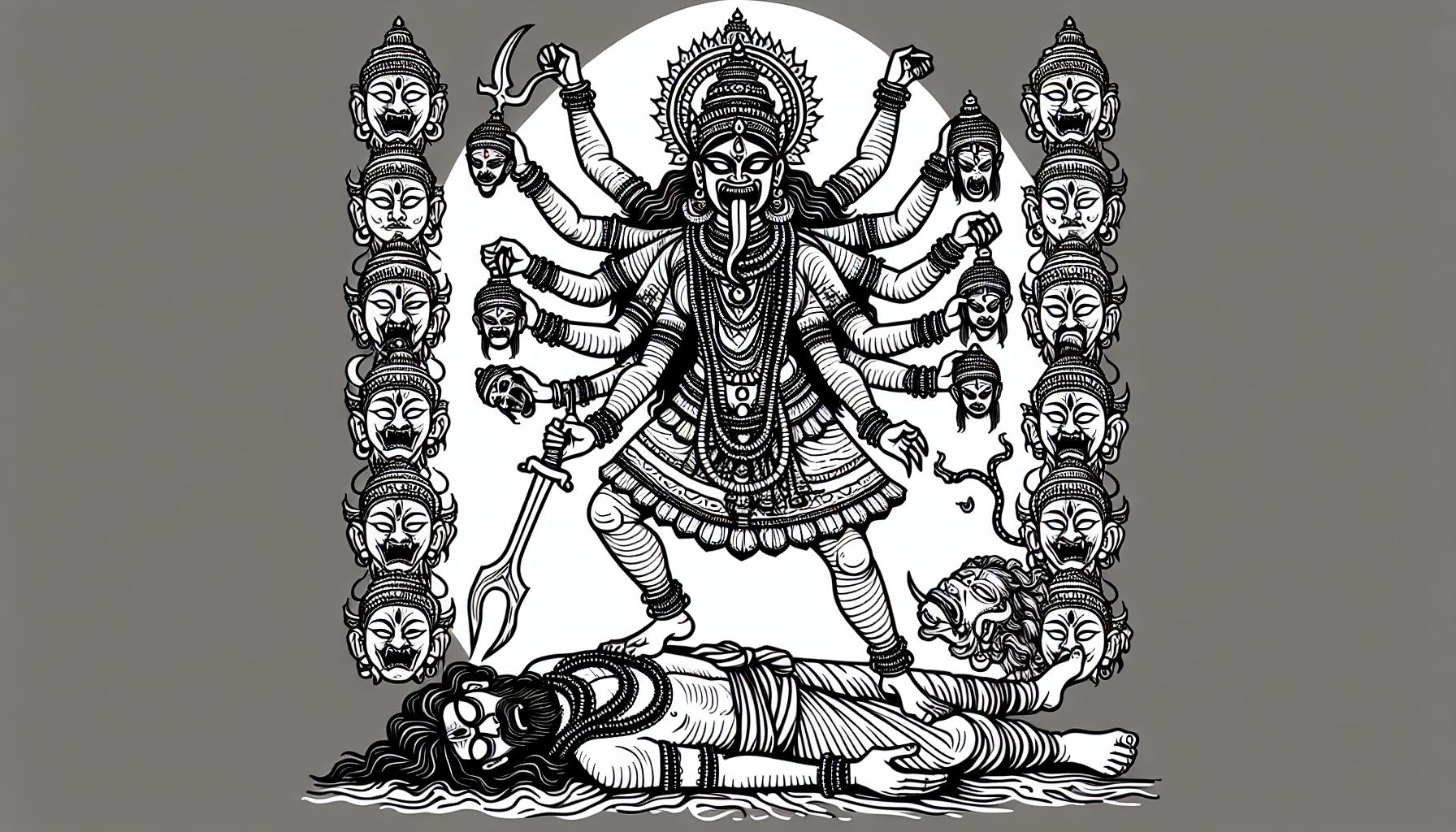
Kali, a central figure in Hindu mythology, is known for her fierce and powerful nature. She stands out among Shiva’s consorts for her role as a protector and destroyer.
Mythological Background
Kali’s origin traces back to deities of village, tribal, and mountain cultures in South Asia, later incorporated into Sanskrit traditions. Her name comes from the Sanskrit “kala,” meaning “time” or “black.” Often depicted with multiple arms, a long tongue, and a necklace of decapitated heads, Kali symbolizes power over time and death. She is shown standing or dancing on Shiva, who lies prostrate beneath her, further emphasizing her dominance over time and mortality.
Significance in Hinduism
Kali embodies both destructive and creative forces, making her a complex goddess. She’s associated with time, doomsday, and death, reflecting her fearsome aspect. At the same time, she represents motherly love and fierce protection. Kali’s duality highlights the interconnectedness of life and death, destruction, and creation in Hindu belief.
Popular Kali Festivals
Kali Puja, celebrated primarily in West Bengal, coincides with Diwali and involves rituals and offerings to honor Kali’s power and protection. Another significant festival is Navaratri, where, among other forms of Shakti, Kali is worshipped for nine nights to celebrate the victory of good over evil.
Consorts in Regional Traditions
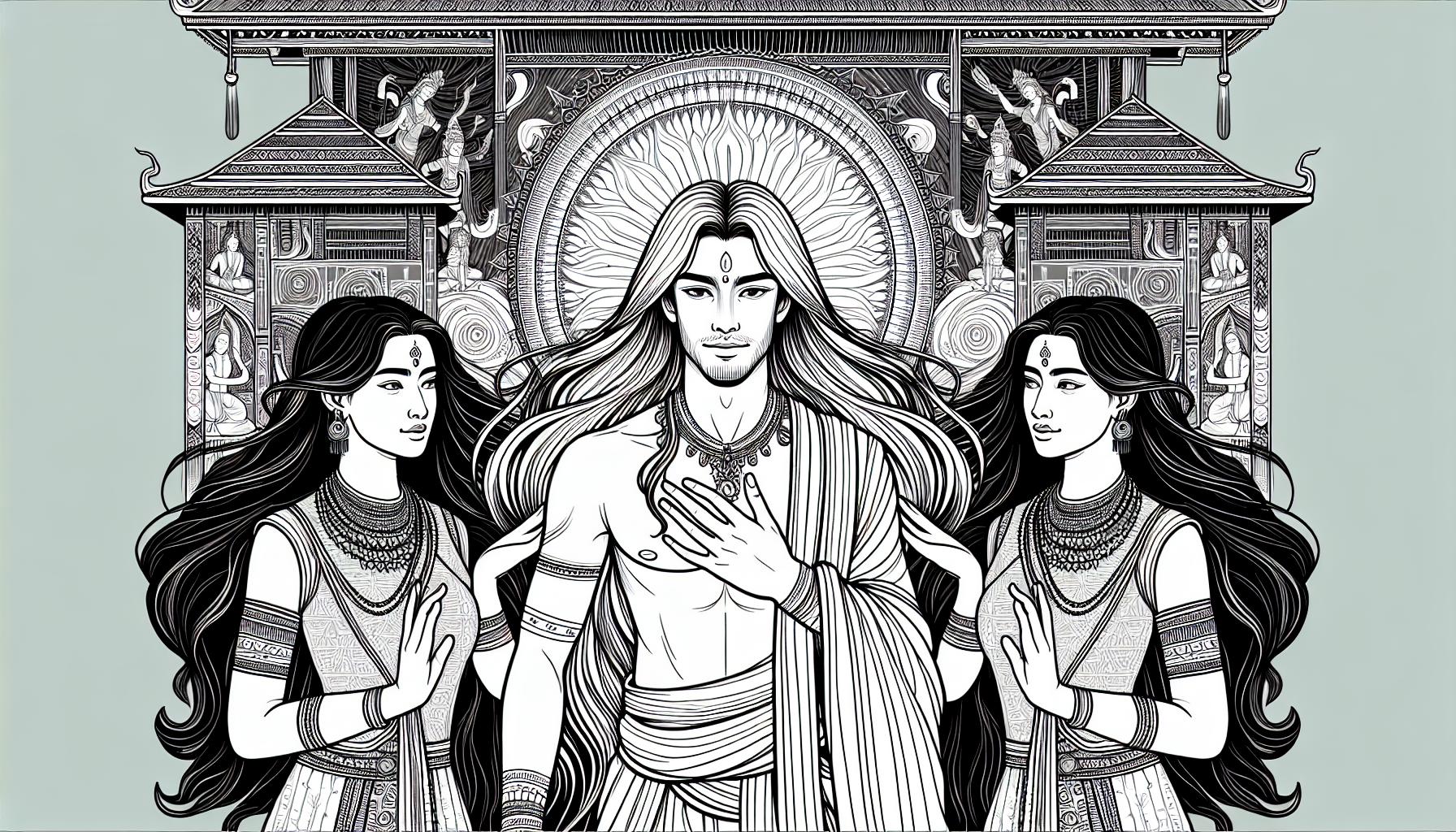
In Hinduism, Shiva’s consorts embody various aspects and energies attributed to the deity, with regional traditions providing unique depictions.
South Indian Traditions
In South India, Shiva’s primary consorts are Parvati and Kali. Parvati is revered for fertility and love. Temples often depict her alongside Shiva. Kali, associated with strength and destruction, appears in fiercer forms. These consorts also appear as Durga, Lakshmi, and Saraswati – The Goddess of Learning and Wisdom, reflecting different divine qualities.
North Indian Traditions
In North India, Shiva’s consorts include Parvati, Durga, and Kali. Parvati’s representation often highlights her nurturing and creative aspects. Durga embodies warrior strength and protection, while Kali represents the destructive force necessary for balance. Each aspect aligns with Shiva’s complex nature.
East and West Indian Traditions
In East and West Indian traditions, Shiva’s consorts show significant regional variations. Parvati remains central, revered for her compassionate and motherly qualities. Kali, prominent in Eastern narratives, is worshipped in her fierce form, especially in Bengal. Western traditions also venerate these goddesses, celebrating their diverse roles in festivals and rituals.
Major Festivals Celebrating Shiva and His Consorts
Festivals honoring Shiva and his consorts hold a special place in Hindu culture, with each event reflecting unique aspects of devotion, mythology, and tradition.
Maha Shivaratri
Maha Shivaratri, one of the most significant Hindu festivals, venerates Lord Shiva. This festival involves fervent prayers, fasting, and traditional rituals by millions around the globe. It signifies the triumph of light over darkness and spiritual enlightenment. Devotees stay awake all night, performing rituals like offering Bilva leaves and chanting Shiva’s hymns.
Navaratri
Navaratri, a nine-day festival, honors the divine feminine, particularly Shiva’s consort Parvati in her various forms. Celebrated twice a year, in spring and autumn, Navaratri worships the Navadurgas. These include Durga, Bhadrakali, Amba, Annapurna, Sarvamangala, Durga, Bhairavi, Chandika, and Lalita. Each day focuses on a different aspect of Parvati, emphasizing her multifaceted nature.
Kali Puja
Kali Puja, primarily celebrated in Eastern India, especially West Bengal, venerates Kali, another fierce form of Parvati. Celebrated on the new moon day of the Hindu month Kartik, it coincides with Diwali in other parts of India. Devotees perform midnight rituals, offering red hibiscus flowers, sweets, and animal sacrifices, symbolizing Kali’s power and protection.
Conclusion
Shiva’s consorts Parvati Durga and Kali each bring unique attributes and stories to Hindu mythology. The festivals celebrating these deities like Teej Navratri and Maha Shivaratri offer a glimpse into the rich tapestry of devotion and tradition. These celebrations highlight the triumph of good over evil and the profound spiritual lessons embedded in Hindu beliefs. As devotees partake in rituals fasting and prayers they not only honor these divine figures but also connect deeply with the spiritual essence they represent. The regional variations in worship further underscore the diverse yet unified nature of Hindu practices.
Sources & further reading
These themes are explored in greater depth across the following authoritative resources:
- Encyclopaedia Britannica, Hindu Mythology
- Internet Sacred Text Archive, Hinduism
- Mythopedia, Hindu Mythology
- Harvard Pluralism Project, Hindu Tradition
- Wendy Doniger, The Hindus: An Alternative History (Penguin, 2009), ISBN 978-0143116691
External resources for further reading. Apam Napat is not affiliated with these publishers; citation does not imply endorsement.
Based on the classical texts of Hindu mythology, see our sources.