
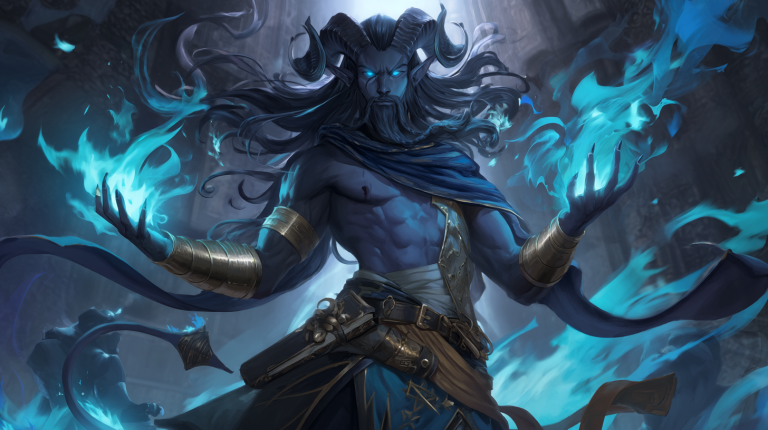
Brahman: The Ultimate Reality
At the heart of Hindu philosophy lies Brahman, the ultimate reality. For a more detailed understanding, see this description of Brahman and explore its importance in Hindu cosmology, especially how it underpins various schools of thought like Advaita and Dvaita. Everything in the universe-both tangible and intangible-is a manifestation of this supreme force. Brahman transcends human comprehension, representing the infinite, unchanging essence behind all creation. To explore its symbolic presence in scripture, refer to this piece on the mythological interpretations of Brahman.
| Perspective | Description |
|---|---|
| Dvaita (Dualism) | The soul (Atman) is distinct from Brahman but aspires to unite with it. |
| Advaita (Non-Dualism) | The soul is already one with Brahman but perceives separation due to ignorance. |
Parallel Concept: Brahman shares some philosophical similarities with the Holy Spirit in Christianity, serving as a pervasive, unifying force.
The Puranic Trinity: Brahma, Vishnu, and Shiva
The Puranic Trinity embodies the cyclic processes of the universe: creation, preservation, and destruction. Each deity plays a distinct role, with overlapping functions to maintain cosmic balance.
| Deity | Role | Attributes |
|---|---|---|
| Brahma | Creator | Creates life; grants boons but is rarely worshiped extensively due to the curse of Shiva. |
| Vishnu | Preserver/Protector | Protects dharma; incarnates as the Dashavatara to vanquish evil. |
| Shiva | Destroyer/Transformer | Wields destructive power to pave the way for regeneration; patron of ascetics and warriors. |
Connections in Mythology:
- Vishnu’s Avatars: His incarnations, including Rama and Krishna, destroy evil forces while preserving cosmic order.
- Shiva and the Asuras: Many Asuras (demons) revere Shiva as their benefactor, despite his role as a destroyer.
Consorts of the Trinity
The consorts of the Trinity-Saraswati – The Goddess of Learning and Wisdom, Lakshmi, and Parvati-govern specific spheres of influence, reflecting feminine energies essential to cosmic harmony. Their significance is explored in detail through the mythology of Shiva’s consorts, which delves into the varied roles Parvati plays across different narratives-from Durga to Kali.
| Consort | Sphere of Influence | Aspects |
|---|---|---|
| Saraswati | Arts, Learning | Bestows wisdom and creativity; invoked by scholars and musicians. |
| Lakshmi | Wealth, Prosperity | Embodiment of fortune; venerated by merchants and householders. |
| Parvati | Valor, Destruction, Nurturing | Benevolent as Parvati, ferocious as Durga and Kali in her demon-slaying forms. |
Notable Stories:
- Durga’s Victory: Parvati assumes the form of Durga to slay Mahishasura – Buffalo Demon, symbolizing the triumph of good over evil.
- Saraswati’s Wisdom: In the Devi Bhagavata, she ensures the Vedas remain accessible to the wise and virtuous.
Indra: King of the Devas
Indra, the ruler of Swarga (heaven), represents both valor and vulnerability. Often depicted as a mighty warrior, his throne is threatened by penitent sages and ambitious kings.
| Aspect | Details |
|---|---|
| Protector of Sacrifices | Gains power from sacrificial offerings (Havis) performed by mortals. |
| Rivalry with Ascetics | Fears penances (tapasya) that threaten his position; disrupts them by sending Apsaras. |
| Ashwamedha – The Horse Sacrifice and Indra’s Throne | The Ashwamedha Yagna can dethrone Indra, emphasizing the impermanence of his position. |
Mythological Parallels:
- Ahalya and Gautama: Indra’s seduction of Ahalya and its aftermath underscore his moral vulnerabilities.
- Arjuna and Indra: Indra bestows divine weapons on his son Arjuna, aiding the Pandavas in the Kurukshetra war.
Themes of Penance, Boons, and Curses
In Hindu mythology, penance (tapasya), boons (varas), and curses (shapams) are central to the interplay of fate and free will.
| Aspect | Description |
|---|---|
| Penance | Intense meditation and austerities to gain divine favor or power. |
| Boons | Rewards granted by deities for meritorious deeds or devotion, often with unforeseen consequences. |
| Curses | Punishments for arrogance or wrongdoing, sometimes mitigated or annulled under specific conditions. |
Examples in Mythology:
- Ravana’s Boon: Brahma grants him near-immortality, with humans as the sole exception, paving the way for Rama’s victory.
- Durvasa’s Curses: Sage Durvasa’s curses, often stemming from his fiery temper, drive key events, such as the Pandavas’ exile.
Sacrifices (Yagnas)
Sacrifices are pivotal rituals in Hindu mythology, performed to appease deities, gain boons, or achieve cosmic balance.
| Type of Sacrifice | Purpose |
|---|---|
| Ashwamedha | Establishes sovereignty over other kings. |
| Rajasuya | Confers the title of emperor (chakravartin). |
| Putra Kameshti | Invoked for progeny, as seen in King Dasharatha’s story in the Ramayana. |
Connections:
- Yudhishthira’s Rajasuya: A pivotal event in the Mahabharata – The Great Epic, marred by Shishupala – The King of Chedi’s death at Krishna’s hands.
- Ashwamedha in the Ramayana: Rama’s performance of this sacrifice signifies the restoration of dharma after his triumph.
Weapons and Astras (Divine Missiles)
Divine weapons (Astras) play a crucial role in mythology, often obtained through penance or bestowed by deities.
| Astra | Presiding Deity | Attributes |
|---|---|---|
| Brahmastra | Brahma | The most powerful weapon; can destroy worlds. |
| Pashupatastra | Shiva | A destructive weapon wielded by Arjuna in the Mahabharata. |
| Sudarsana Chakra | Vishnu | Krishna’s divine discus, used to slay Shishupala. |
Examples:
- Arjuna’s Astras: Arjuna’s mastery of divine weapons, including the Brahmastra and Pashupatastra, underscores his role as a warrior of destiny.
- Karna’s Curse: Karna’s inability to recall the Brahmastra at a crucial moment fulfills his tragic fate.
Rebirth and Karma
The concept of rebirth (punarjanma) underscores the cyclical nature of existence, guided by the law of Karma.
| Aspect | Description |
|---|---|
| Cycle of Samsara | The soul undergoes birth and death until it achieves liberation (Moksha). |
| Karmic Consequences | Actions in one life influence circumstances in the next, emphasizing moral accountability. |
Notable Stories:
- Shishupala’s Rebirth: As Jaya, a cursed gatekeeper of Vishnu, Shishupala achieves liberation through Krishna’s Sudarsana Chakra.
- Arjuna and Karna: Their rivalry reflects past-life connections, rooted in the unfolding of karma.
Mythical Beings and Cosmic Hierarchies
Hindu mythology features a vast array of celestial and semi-divine beings:
| Being | Role |
|---|---|
| Gandharvas | Celestial musicians, known for their artistic prowess. |
| Yakshas | Guardians of wealth, associated with Kubera, the god of riches. |
| Navagrahas | Nine celestial entities governing human destiny; even gods are subject to their influence. |
Connections:
- Parvati’s Authority: Parvati, as the mother goddess, holds sway over the Navagrahas, emphasizing her cosmic significance.
Conclusion
Hindu mythology is a profound exploration of dharma, karma, and the interplay of divine will and human agency. By understanding these foundational concepts, readers can delve deeper into the intricate narratives and timeless lessons woven into the stories. As we unravel these myths, their universal themes of justice, devotion, and transformation continue to inspire across cultures and epochs.
Sources & further reading
These themes are explored in greater depth across the following authoritative resources:
- Britannica, Asura
- Britannica, Naga
- Mythopedia, Hindu Mythology
- Internet Sacred Text Archive, Mahabharata
- Wendy Doniger, Hindu Myths (Penguin Classics, 1975)
External resources for further reading. Apam Napat is not affiliated with these publishers; citation does not imply endorsement.
Based on the classical texts of Hindu mythology, see our sources.